Family Card - Person Sheet
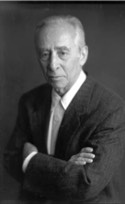
NameLeo Castelli (Ne Krauss) 
Birth4 Sep 1907, Trieste, Italia
Death21 Aug 1999, USA
FatherErnesto Krausz
MotherBianca Castelli
Spouses
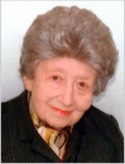
Birth28 Oct 1914, Bucarest, Romania
Death21 Oct 2007, New York, New York
FatherMihai Schapira (ca1887-)
MotherMarianne Schwartz (?1888-1955)
Divorce1959
ChildrenNina (1936-2014)
Notes for Leo Castelli (Ne Krauss)
Sailed from Havana to New York with his wife and daughter in April 1941, having previously lived in Paris.
“Leo in U.S. military uniform appeared at his sister’s door in Budapest in May 1945, met the eight-year-old nephew, wrapped his jacket over the shoulders of the freezing youth, and eventually sat down with Leo’s sister to discover the fate of other relatives. "Since speaking of their Jewishness was taboo in the Krausz family, Leo and Silvia [the sister] did not linger on it that day,"
By Tom DiEgidio
Sept. 11, 1999 | Legendary art dealer Leo Castelli died Aug. 21 at his home in New York City at the age of 91. He was best known to the public for having been the first to sell Andy Warhol's Campbell Soup can paintings.
Leo Castelli was born in 1907 in the Austro-Hungarian city of Trieste. As the empire's main port, Trieste was a rich admixture of the Italian, Slavic, Germanic and Hungarian cultures.
The son of Jewish Hungarian banker Ernesto Krauss, Leo was part of the cultured Triestine bourgeoisie in which fine manners and aesthetic concerns were de rigueur and the arts took precedence in conversation over matters of trade. Despite a predilection for literature, which was quite natural in his social sphere, Leo would eventually follow his father into banking. His first professional position, though, after schooling in Trieste and Vienna and taking a law degree at the University of Milan, was with an international insurance firm. He was posted to the company's Bucharest office and wound up marrying the Romanian heiress Ileana Shapira, better known today as Ileana Sonnabend, a notable art dealer in her own right.
The mid-1930s saw Castelli at the Paris branch of the Banca d'Italia. While in France, he came to know the surrealists and, in 1939, opened his first gallery in partnership with a furniture designer. Up to that point Castelli had led a charmed life: a privileged upbringing in a cosmopolitan city; a happy marriage to the daughter of a wealthy industrialist; the opportunity, as a lover of contemporary art, to befriend the surrealists and work with them in the undisputed capital of the art world. But the gallery had barely been open when war forced a retreat with his wife and daughter Nina to New York where his father-in-law had invested in real estate.
During the war Castelli served with the Office of Strategic Services. His war work in Europe gained him his U.S. citizenship and made him an alumnus of an organization that was sometimes referred to as "Oh So Secret." It was also called "Oh So Social" since it was the private stomping ground of an elite East Coast Ivy League Wall Street clique.
After the war some members of the OSS entered its successor agency, the CIA. Still others took their predestined places in corporate boardrooms, on Wall Street and in various branches of government. Castelli, on the other hand, entered his father-in-law's knitwear business, while dealing a number of Kandinskys he'd rolled up before leaving Paris.
He slowly felt his way around the New York art world, becoming representative for the Kandinsky estate and helping to curate shows by his new friends the abstract expressionists.
It wasn't until 1957, when he was almost 50, that Castelli opened his first gallery on New York's Upper East Side. But by 1958 he'd already shown Jasper Johns and Robert Rauschenberg and was playing a key role in fostering new directions in American art. Significantly, he gave his artists monthly stipends so that they would never have to worry about affording paints, or potatoes, again. The year after that saw the work of Cy Twombly and Frank Stella in the gallery, while the early '60s brought Roy Lichtenstein and Andy Warhol and the blooming of pop art.
Following his divorce from Ileana in 1959, Castelli married Antoinette Fraissex du Bost, who founded Castelli Graphics. They had a son, Jean Christophe. After the death of "Toiny" in 1987, Castelli married for a third time, to the young Italian art critic Barbara Bertozzi, with whom he opened a new gallery.
Anthony Haden-Guest “Leo Castelli was born in Trieste, in North-Eastern Italy. He was intended for the business world by his banker father, but resolved to be out of it as quickly as possible. He took a job with an insurance company in Bucharest, and married Ileana Schapira, the daughter of a Rumanian industrialist. They spent much of their time foraging in the countryside for antiques.
The couple moved to Paris, where Castelli had taken a job with the Banca d'Italia. Soon his father-in-law agreed to finance a gallery splendidly positioned between Schiaparelli and the Ritz hotel. Castelli had intended to focus on Art Deco, but soon found himself caught up with the Surrealists. The fashionable monde showed up for the opening of the gallery. It was the spring of 1939 -- bad timing. The Castellis reached Vichy France before the German army came. They got to New York, by way of Marrakesh, in 1941, and moved into a fourth floor apartment at 4 East 77th Street on Manhattan's Upper East Side.
Castelli joined the U.S. army. After his discharge, he worked for his father-in-law's sweater factory in Manhattan. Soon he was dealing art privately out of his apartment, both for clients like the Baroness Hilda de Rebay, who was putting together the collection for Solomon Guggenheim, which was the nucleus of what is now the Guggenheim Museum, and for his own account. He bought, for instance, two canvases by Paul Klee and one by Mondrian for $2,000 apiece. A few years later, he sold the three for $11,000. "I thought I had done rather well," he said, adding that by now the trio would be worth millions of dollars.
On Feb. 1, 1957, Castelli opened up his own gallery. He was 50. He started modestly in the apartment on East 77th, using their living-cum-dining-room. "Leo opened the gallery when I went to college," said his daughter, Nina. "My bedroom turned into the office.
Ileana, Castelli's first wife, has herself become a mightily successful dealer under her second husband's surname, as Ileana Sonnabend. It is typical of her continuing closeness to Leo that, despite the womanizing that destroyed his marriage, her gallery was for years one floor above his. Leo's second wife Antoinette -- "Toiny" -- was a French girl from Limoges who had come to America as an au pair in the early '60s. But she died of cancer in 1987.”
SSDI:
Leo CASTELLI
SS#120-18-6280
b.4 Sep 1907
d.22 Aug 1999
Res.New York. New York, NY 10021
SS# issued inNY
“Leo in U.S. military uniform appeared at his sister’s door in Budapest in May 1945, met the eight-year-old nephew, wrapped his jacket over the shoulders of the freezing youth, and eventually sat down with Leo’s sister to discover the fate of other relatives. "Since speaking of their Jewishness was taboo in the Krausz family, Leo and Silvia [the sister] did not linger on it that day,"
By Tom DiEgidio
Sept. 11, 1999 | Legendary art dealer Leo Castelli died Aug. 21 at his home in New York City at the age of 91. He was best known to the public for having been the first to sell Andy Warhol's Campbell Soup can paintings.
Leo Castelli was born in 1907 in the Austro-Hungarian city of Trieste. As the empire's main port, Trieste was a rich admixture of the Italian, Slavic, Germanic and Hungarian cultures.
The son of Jewish Hungarian banker Ernesto Krauss, Leo was part of the cultured Triestine bourgeoisie in which fine manners and aesthetic concerns were de rigueur and the arts took precedence in conversation over matters of trade. Despite a predilection for literature, which was quite natural in his social sphere, Leo would eventually follow his father into banking. His first professional position, though, after schooling in Trieste and Vienna and taking a law degree at the University of Milan, was with an international insurance firm. He was posted to the company's Bucharest office and wound up marrying the Romanian heiress Ileana Shapira, better known today as Ileana Sonnabend, a notable art dealer in her own right.
The mid-1930s saw Castelli at the Paris branch of the Banca d'Italia. While in France, he came to know the surrealists and, in 1939, opened his first gallery in partnership with a furniture designer. Up to that point Castelli had led a charmed life: a privileged upbringing in a cosmopolitan city; a happy marriage to the daughter of a wealthy industrialist; the opportunity, as a lover of contemporary art, to befriend the surrealists and work with them in the undisputed capital of the art world. But the gallery had barely been open when war forced a retreat with his wife and daughter Nina to New York where his father-in-law had invested in real estate.
During the war Castelli served with the Office of Strategic Services. His war work in Europe gained him his U.S. citizenship and made him an alumnus of an organization that was sometimes referred to as "Oh So Secret." It was also called "Oh So Social" since it was the private stomping ground of an elite East Coast Ivy League Wall Street clique.
After the war some members of the OSS entered its successor agency, the CIA. Still others took their predestined places in corporate boardrooms, on Wall Street and in various branches of government. Castelli, on the other hand, entered his father-in-law's knitwear business, while dealing a number of Kandinskys he'd rolled up before leaving Paris.
He slowly felt his way around the New York art world, becoming representative for the Kandinsky estate and helping to curate shows by his new friends the abstract expressionists.
It wasn't until 1957, when he was almost 50, that Castelli opened his first gallery on New York's Upper East Side. But by 1958 he'd already shown Jasper Johns and Robert Rauschenberg and was playing a key role in fostering new directions in American art. Significantly, he gave his artists monthly stipends so that they would never have to worry about affording paints, or potatoes, again. The year after that saw the work of Cy Twombly and Frank Stella in the gallery, while the early '60s brought Roy Lichtenstein and Andy Warhol and the blooming of pop art.
Following his divorce from Ileana in 1959, Castelli married Antoinette Fraissex du Bost, who founded Castelli Graphics. They had a son, Jean Christophe. After the death of "Toiny" in 1987, Castelli married for a third time, to the young Italian art critic Barbara Bertozzi, with whom he opened a new gallery.
Anthony Haden-Guest “Leo Castelli was born in Trieste, in North-Eastern Italy. He was intended for the business world by his banker father, but resolved to be out of it as quickly as possible. He took a job with an insurance company in Bucharest, and married Ileana Schapira, the daughter of a Rumanian industrialist. They spent much of their time foraging in the countryside for antiques.
The couple moved to Paris, where Castelli had taken a job with the Banca d'Italia. Soon his father-in-law agreed to finance a gallery splendidly positioned between Schiaparelli and the Ritz hotel. Castelli had intended to focus on Art Deco, but soon found himself caught up with the Surrealists. The fashionable monde showed up for the opening of the gallery. It was the spring of 1939 -- bad timing. The Castellis reached Vichy France before the German army came. They got to New York, by way of Marrakesh, in 1941, and moved into a fourth floor apartment at 4 East 77th Street on Manhattan's Upper East Side.
Castelli joined the U.S. army. After his discharge, he worked for his father-in-law's sweater factory in Manhattan. Soon he was dealing art privately out of his apartment, both for clients like the Baroness Hilda de Rebay, who was putting together the collection for Solomon Guggenheim, which was the nucleus of what is now the Guggenheim Museum, and for his own account. He bought, for instance, two canvases by Paul Klee and one by Mondrian for $2,000 apiece. A few years later, he sold the three for $11,000. "I thought I had done rather well," he said, adding that by now the trio would be worth millions of dollars.
On Feb. 1, 1957, Castelli opened up his own gallery. He was 50. He started modestly in the apartment on East 77th, using their living-cum-dining-room. "Leo opened the gallery when I went to college," said his daughter, Nina. "My bedroom turned into the office.
Ileana, Castelli's first wife, has herself become a mightily successful dealer under her second husband's surname, as Ileana Sonnabend. It is typical of her continuing closeness to Leo that, despite the womanizing that destroyed his marriage, her gallery was for years one floor above his. Leo's second wife Antoinette -- "Toiny" -- was a French girl from Limoges who had come to America as an au pair in the early '60s. But she died of cancer in 1987.”
SSDI:
Leo CASTELLI
SS#120-18-6280
b.4 Sep 1907
d.22 Aug 1999
Res.New York. New York, NY 10021
SS# issued inNY